Tank Water Heater Installation on Cape Cod

Reliable Hot Water for Your Cape Cod Home

A traditional tank water heater remains one of the most dependable and affordable ways to provide hot water for a home. These systems store heated water in an insulated tank, keeping it ready for showers, sinks, laundry, dishwashing, and other everyday household needs.

Upper Cape Heating & Cooling provides professional tank water heater installation, replacement, repair, and maintenance on Cape Cod. We work with both gas and electric storage water heaters and can help homeowners choose the right tank size, fuel type, and efficiency level for their home.

Whether your current water heater is leaking, no longer producing enough hot water, or simply reaching the end of its service life, our team can evaluate the system and recommend the right solution.

We serve homeowners throughout Bourne, Falmouth, Mashpee, Sandwich, and surrounding Upper Cape communities.

Contact Upper Cape Heating & Cooling today to schedule a tank water heater estimate or service appointment.
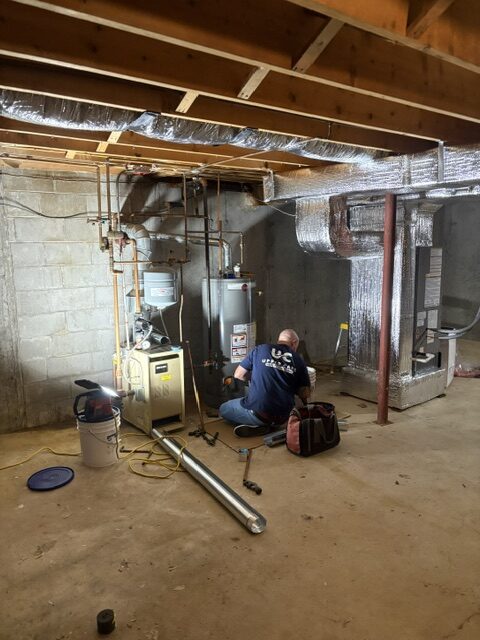
What Is a Tank Water Heater?

A tank water heater, also called a storage water heater, heats and stores a set amount of hot water inside an insulated tank.

Common residential tank sizes include 30, 40, 50, and larger-capacity units, depending on the household’s needs.

When hot water is used, cold water enters the tank and is heated so the system can replenish the stored supply.

Tank water heaters are available in several configurations, including:

  • Natural gas water heaters
  • Propane water heaters
  • Electric water heaters
  • High-efficiency storage water heaters
  • Different tank sizes for different household demands

Because tank water heaters use familiar and proven technology, they remain a popular choice for homeowners who want reliable performance and a relatively straightforward replacement process.

Why Choose a Tank Water Heater?

For many Cape Cod homes, a traditional storage water heater continues to make practical and financial sense.

1. Lower Upfront Cost

Tank water heaters generally have a lower initial equipment and installation cost compared with many tankless and heat pump water heater systems.

For homeowners replacing an existing tank with a similar model, installation can also be more straightforward because much of the existing plumbing, venting, fuel supply, or electrical infrastructure may already be in place.

2. Reliable Hot Water

A properly sized tank keeps a stored supply of hot water available for normal household use.

This makes traditional water heaters a dependable option for families with predictable hot water demand throughout the day.

3. Gas and Electric Options

Storage water heaters are available in both gas-fired and electric models.

The best option depends on your home’s existing utilities, installation location, operating costs, household demand, and the condition of the current system.

4. Simple, Proven Technology

Tank water heaters have been used in homes for decades.

Their straightforward design makes them familiar to homeowners and service technicians, and replacement parts are widely available.

5. Easy Replacement of an Existing Tank

If your home already has a traditional water heater, replacing it with a similar system may require fewer changes than switching to another type of water heating system.

Our team evaluates the existing plumbing, fuel source, venting, electrical requirements, and available space before recommending a replacement.

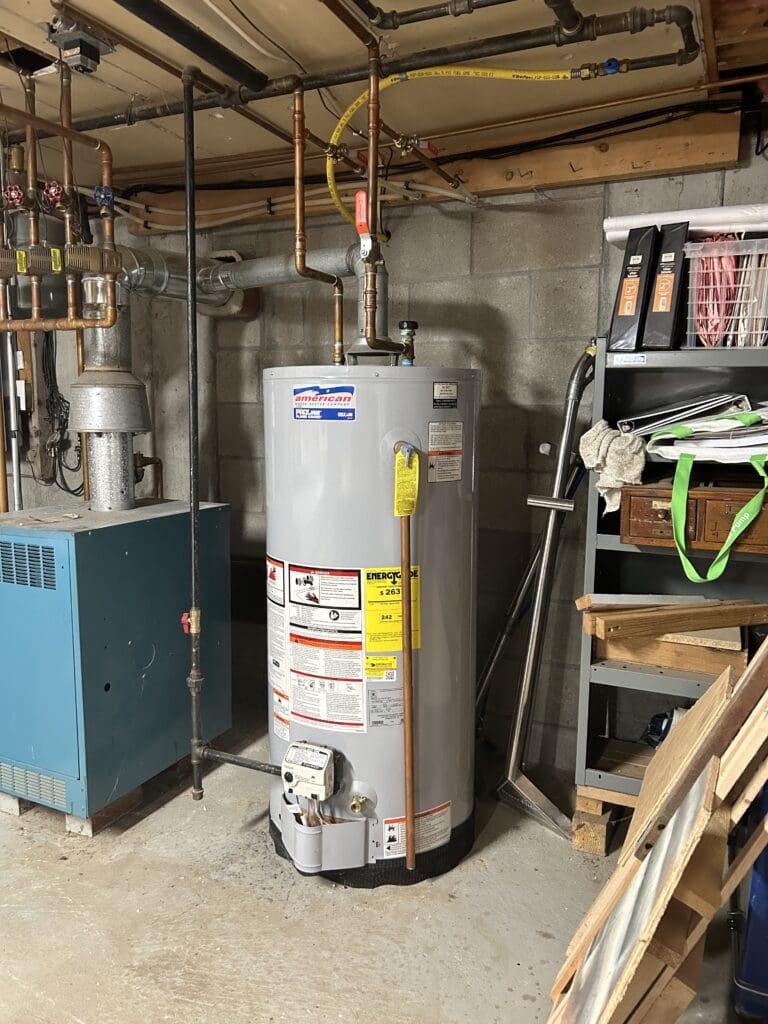
Tank water heater
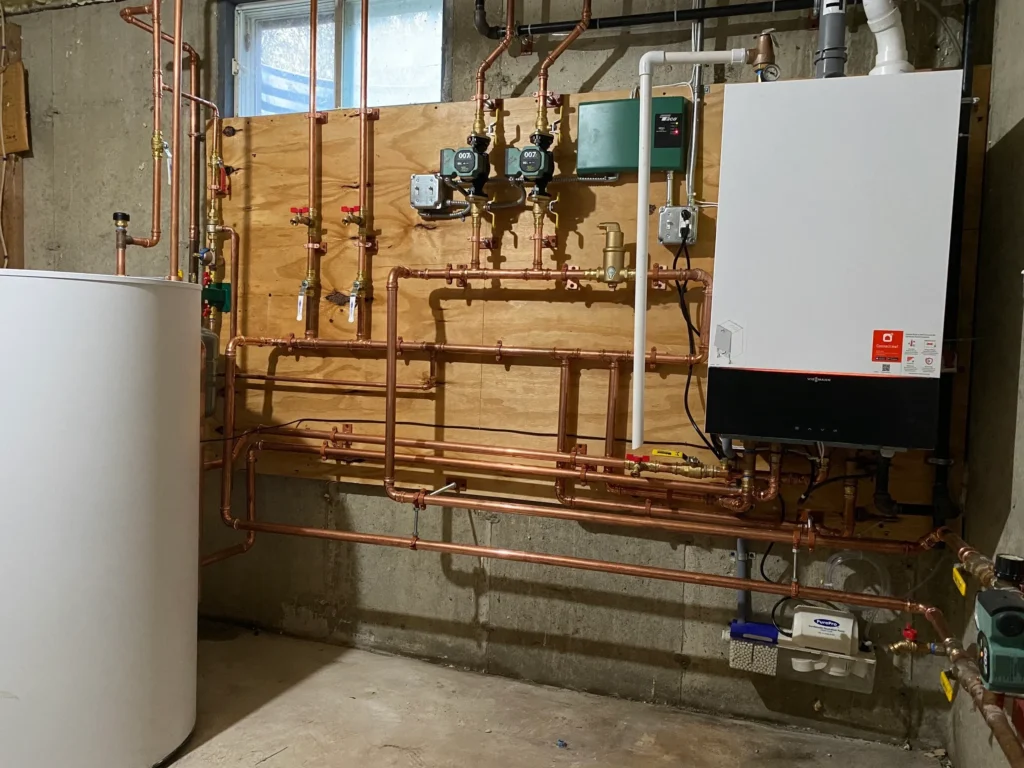
A gas boiler and copper pipes
Upper cape heating and cooling truck

Choosing the Right Size Tank Water Heater

Proper sizing is one of the most important parts of water heater installation.

A tank that is too small may run out of hot water during periods of high demand.

A tank that is unnecessarily large may cost more to purchase and may use additional energy keeping more water heated than your household normally needs.

When sizing a water heater, we consider factors such as:

  • Number of people in the household
  • Number of bathrooms
  • Typical shower and bathing habits
  • Dishwasher and laundry use
  • Simultaneous hot water demand
  • Existing tank capacity
  • Fuel source
  • Available installation space
  • Recovery rate of the water heater

The goal is to provide enough hot water for your household without unnecessarily oversizing the system.

Expert HVAC Services on the Upper Cape

Elevate Your Comfort With Reliable Solutions From a MassSave® Approved Contractor.

Gas vs Electric Tank Water Heaters

Both gas and electric tank water heaters can provide dependable hot water, but each has different installation and operating considerations.

Gas Tank Water Heaters

Gas water heaters use natural gas or propane to heat the water.

Advantages may include:

  • Faster recovery after large amounts of hot water are used
  • Familiar operation for homes already equipped with gas or propane
  • Good performance for households with high hot water demand

Gas systems also require proper combustion air, venting, gas connections, and safety controls.

Electric Tank Water Heaters

Electric water heaters use electric heating elements inside the tank.

Advantages may include:

  • No combustion or exhaust venting
  • Straightforward installation in many homes
  • Fewer combustion-related components
  • Flexible placement depending on available electrical service

Which system makes the most sense depends heavily on what is already installed in the home.

Tank Water Heater Replacement

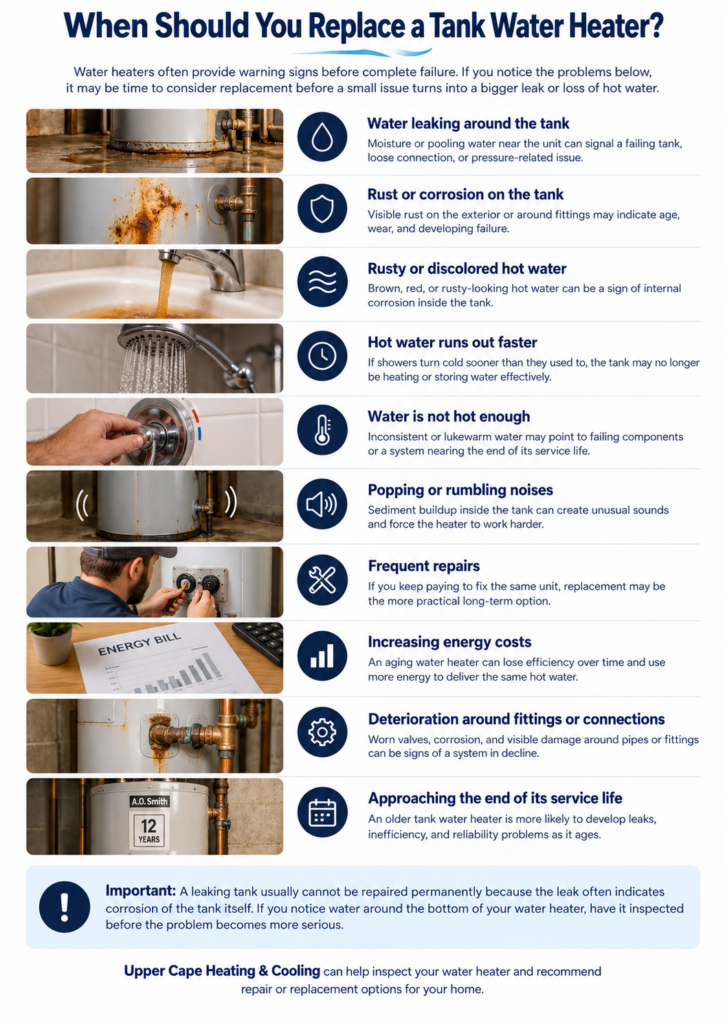
When an older tank water heater fails, replacing it with a modern unit can restore reliable hot water and may improve efficiency.

Our tank water heater replacement process includes evaluating:

  • Existing water heater size
  • Household hot water demand
  • Gas, propane, or electrical connections
  • Venting requirements
  • Plumbing connections
  • Drainage and drain-pan requirements
  • Available installation space
  • Local code requirements
  • Condition of surrounding components

We can replace an existing gas or electric tank water heater with a properly sized system designed for your home’s needs.

In some cases, homeowners may also want to compare a traditional tank replacement with other technologies such as tankless water heaters or heat pump water heaters.


Tank Water Heater Repair

Not every water heater problem requires replacement.

Some issues may be repairable depending on the age and condition of the system.

Common tank water heater problems include:

  • Failed heating elements
  • Thermostat problems
  • Pilot or ignition issues
  • Faulty gas controls
  • Pressure relief valve problems
  • Leaking plumbing connections
  • Sediment buildup
  • Insufficient hot water
  • Slow recovery
  • Temperature fluctuations

Our team can inspect the system, identify the cause of the problem, and explain whether repair or replacement makes more sense.

For an older system with a leaking tank or repeated failures, replacement may be more practical than continuing to invest in repairs.

Tank Water Heater Maintenance

Routine maintenance can help maintain performance and may extend the life of your water heater.

Depending on the system, maintenance may include:

  • Inspecting the tank and plumbing connections
  • Checking for leaks or corrosion
  • Inspecting temperature and pressure relief components
  • Checking the burner or heating elements
  • Inspecting venting on gas systems
  • Checking operating temperature
  • Flushing sediment from the tank when appropriate
  • Inspecting the anode rod when applicable
  • Testing overall system performance

Sediment can accumulate inside storage water heaters over time.

This buildup can reduce usable tank capacity, create unusual noises, and make the system work harder to heat water.

Regular inspection can also help identify small problems before they turn into leaks or complete system failures.

tank water heaters

Tank Water Heater FAQs

The life of a tank water heater depends on the equipment, installation, water quality, maintenance, and usage. Many traditional storage water heaters last approximately 8 to 12 years, although some can last longer with proper maintenance.

The correct size depends on household size and peak hot water demand. A household with several people showering and using appliances at similar times may need a larger tank or faster recovery rate than a household with lower demand.

A newer water heater with a replaceable component may be worth repairing. An older system with a leaking tank, significant corrosion, or repeated problems is often better replaced.

Water may come from a plumbing connection, drain valve, temperature and pressure relief valve, condensation, or the tank itself. A leaking tank generally requires replacement, so water around the unit should be investigated promptly.

Yes. Upper Cape Heating & Cooling installs and services gas and electric storage water heaters and can recommend an option based on your existing system and household needs.