Discover reliable hot water solutions for your home with our expert water heater services. We specialize in the installation, maintenance, and repair of various types of water heaters to meet your needs.
Water Heaters Cape Cod
With our years of experience and superb customer oriented service, replacing or installing your new water heater will be a breeze. Call us today if you need water heater installation, replacement or service.
Our Water Heater Services

Storage (Tank) Water Heaters
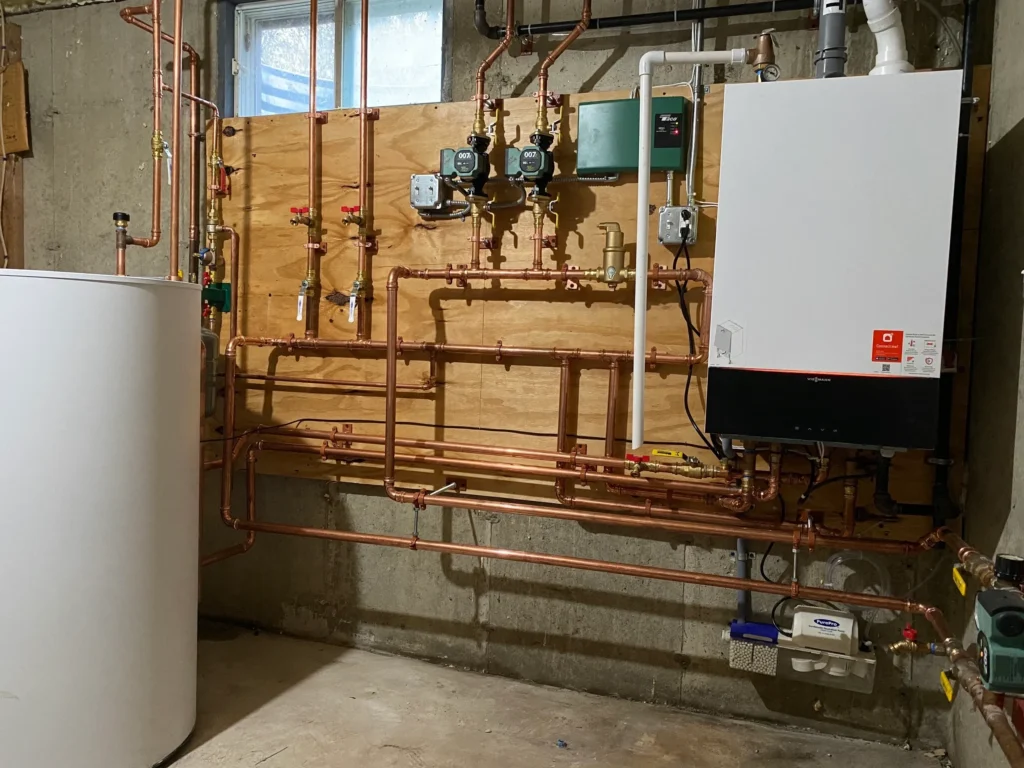
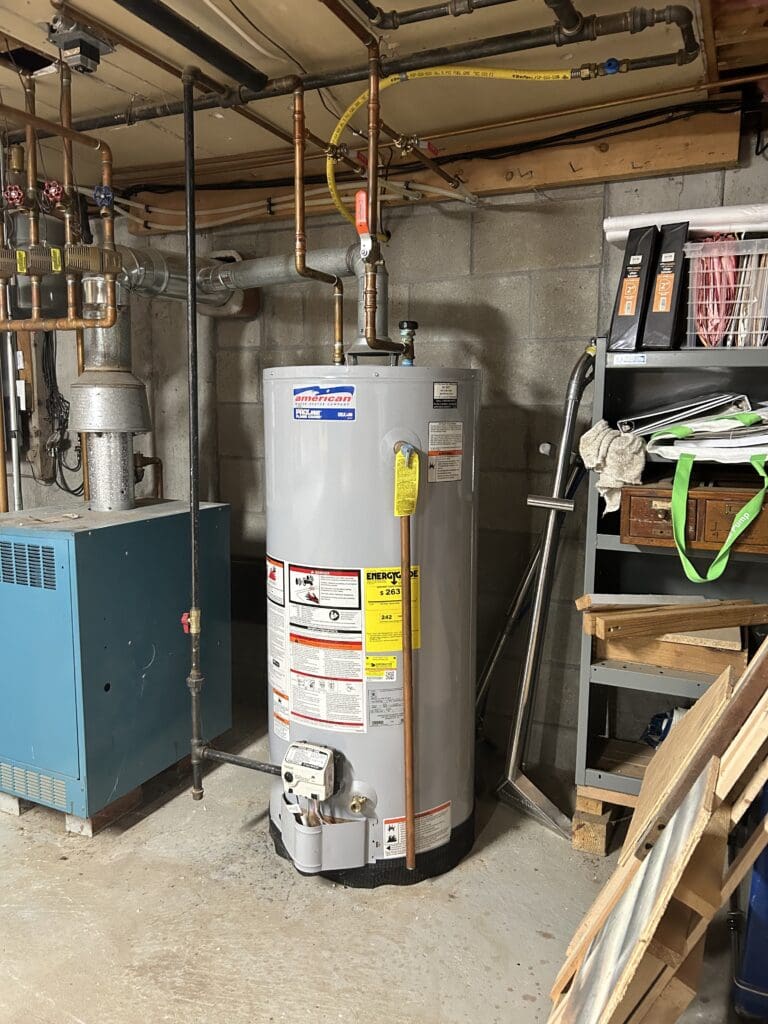
Traditional tank water heaters remain a reliable and affordable choice for many Cape Cod homes. They store and heat a set amount of water, keeping it ready for showers, sinks, laundry, and other everyday household needs.
Whether you are replacing an older unit, dealing with inconsistent hot water, or installing a new system, our team can help you choose the right option for your home.
Proper sizing is especially important with a storage water heater. We consider your household size, typical hot water usage, available installation space, and existing plumbing and fuel connections to recommend a tank that provides dependable hot water without unnecessary energy use.
Modern tank water heaters are available in a range of sizes and efficiency levels, making them a practical option for many homes that want familiar performance, straightforward maintenance, and a lower upfront cost than some alternative water-heating systems.

Heat Pump Water Heaters
Heat pump water heaters are an energy-efficient alternative to traditional electric water heaters. Instead of generating heat directly, they pull warmth from the surrounding air and transfer it into the water, which can reduce electricity use while still providing dependable hot water for everyday household needs.
Upper Cape Heating & Cooling provides professional heat pump water heater installation, replacement, maintenance, and repair for Cape Cod homeowners. These systems can be a particularly good fit for basements, utility rooms, and other spaces with enough surrounding air for efficient operation.
When recommending a system, we consider your household size, hot water demand, installation location, available space, drainage, and electrical requirements. Proper sizing and placement are important for comfort, efficiency, and long-term performance.

Tankless Water Heaters
Tankless water heaters provide hot water only when you need it, rather than continuously heating and storing water in a large tank. When a faucet, shower, or appliance calls for hot water, the system heats the water as it flows through the unit, helping reduce standby energy loss.
Upper Cape Heating & Cooling provides professional tankless water heater installation, replacement, maintenance, and repair throughout the Upper Cape. Tankless systems are a popular option for homeowners who want a compact design, continuous hot water, and more efficient use of space.
With the right installation and regular maintenance, a tankless water heater can provide reliable hot water for many years while freeing up valuable space compared with a traditional storage tank.
Best Water Heater System
Selecting the right water heater system is crucial for ensuring hot water availability, energy efficiency, and long-term cost savings. Let’s compare three popular water heater systems: storage (tank) water heaters, tankless water heaters, and heat pump water heaters, to help you determine the best option for your needs.
Storage (Tank) Water Heaters:
Storage water heaters are the traditional choice for many households. They store hot water in a tank and are known for their reliability and ease of installation. Here’s how they stack up:
Storage water heaters provide a consistent supply of hot water, making them suitable for households with moderate hot water demands. They typically have a lower initial cost compared to tankless and heat pump water heaters, making them budget-friendly. Additionally, tank water heaters operate on familiar technology, making them easy to understand and maintain.
However, they are less energy-efficient than tankless and heat pump water heaters, as they continuously heat water, leading to standby heat loss. Tank water heaters have a shorter lifespan compared to tankless and heat pump systems, typically lasting 10-15 years. Additionally, they require space for the tank, which may not be suitable for smaller homes or tight spaces.
Tankless Water Heaters:
Tankless water heaters provide hot water on demand, heating water only when needed. They offer benefits such as energy efficiency and endless hot water supply. Here’s how they compare:
Tankless water heaters are highly energy-efficient, as they only heat water when it’s needed, reducing standby heat loss. They provide endless hot water supply, making them ideal for households with high hot water demands. Tankless water heaters are compact and wall-mounted, saving valuable space in your home.
However, tankless water heaters have a higher upfront cost compared to tank water heaters. Rebates are available to offset the total cost. They may also require upgrades to gas lines or electrical circuits during installation, adding to the installation cost. In homes with high simultaneous hot water demand, such as multiple showers running simultaneously, the flow rate may be limited.
Heat Pump Water Heaters:
Heat pump water heaters use heat pump technology to efficiently heat water by extracting heat from the surrounding air. Here’s how they compare:
Heat pump water heaters are highly energy-efficient and can significantly reduce energy consumption and utility bills. They produce fewer greenhouse gas emissions compared to traditional water heaters. Heat pump water heaters can operate in various climates and are suitable for most homes.
However, they have a higher upfront cost compared to tank water heaters. (Rebates are available to offset the total cost). They also require adequate space for installation and proper ventilation. Their efficiency may vary depending on climate conditions, and they may not be suitable for extremely cold climates without proper installation.

Expert HVAC Services on the Upper Cape
Elevate Your Comfort With Reliable Solutions From a MassSave® Approved Contractor.
Water Heaters FAQs
The best water heater system for your home depends on your priorities, budget, and hot water needs. If you prioritize energy efficiency and endless hot water, a tankless or heat pump water heater may be the best choice. However, if upfront cost and simplicity are important, a traditional tank water heater may suffice. Consider your specific requirements and consult with a professional to determine the best option for your home.
The size of the water heater depends on factors like the number of people in your household, hot water usage patterns, and your home’s size. A professional can help determine the right size for your needs.
Yes, many utility companies and government programs offer rebates or incentives for installing energy-efficient water heaters. Call us to learn about all the available rebates.
Follow the manufacturer’s instructions carefully. Typically, you’ll need to turn the gas control valve to “pilot,” hold down the reset button, and light the pilot with a match or lighter.
Yes, some water heaters are designed for outdoor installation. However, it’s essential to protect outdoor units from extreme weather conditions.
A heat pump water heater is an incredibly efficient alternative to a standard electric tank. Instead of using heating elements to heat the water, it pulls ambient heat from the surrounding air (like in your basement) and transfers it into the water. They typically use 60-70% less electricity and are eligible for Mass Save rebates.
A furnace (a forced-air system) heats air and distributes it throughout your home via air ducts and vents. A boiler (a hydronic system) heats water, which then travels through pipes to radiators or baseboard heaters to heat your home.